Car will not start - what to check first
Check five things before requesting a tow. In most cases, the vehicle is okay and only needs a jump, a fuse, or a key that properly communicates with the transponder.
What you'll learn
- How starter trouble differs from signs of a dead battery
- Why clicking often points to the battery first
- A stuck shift interlock: starting and bypass steps
- Why transponder keys fail and what to try first
Step by step
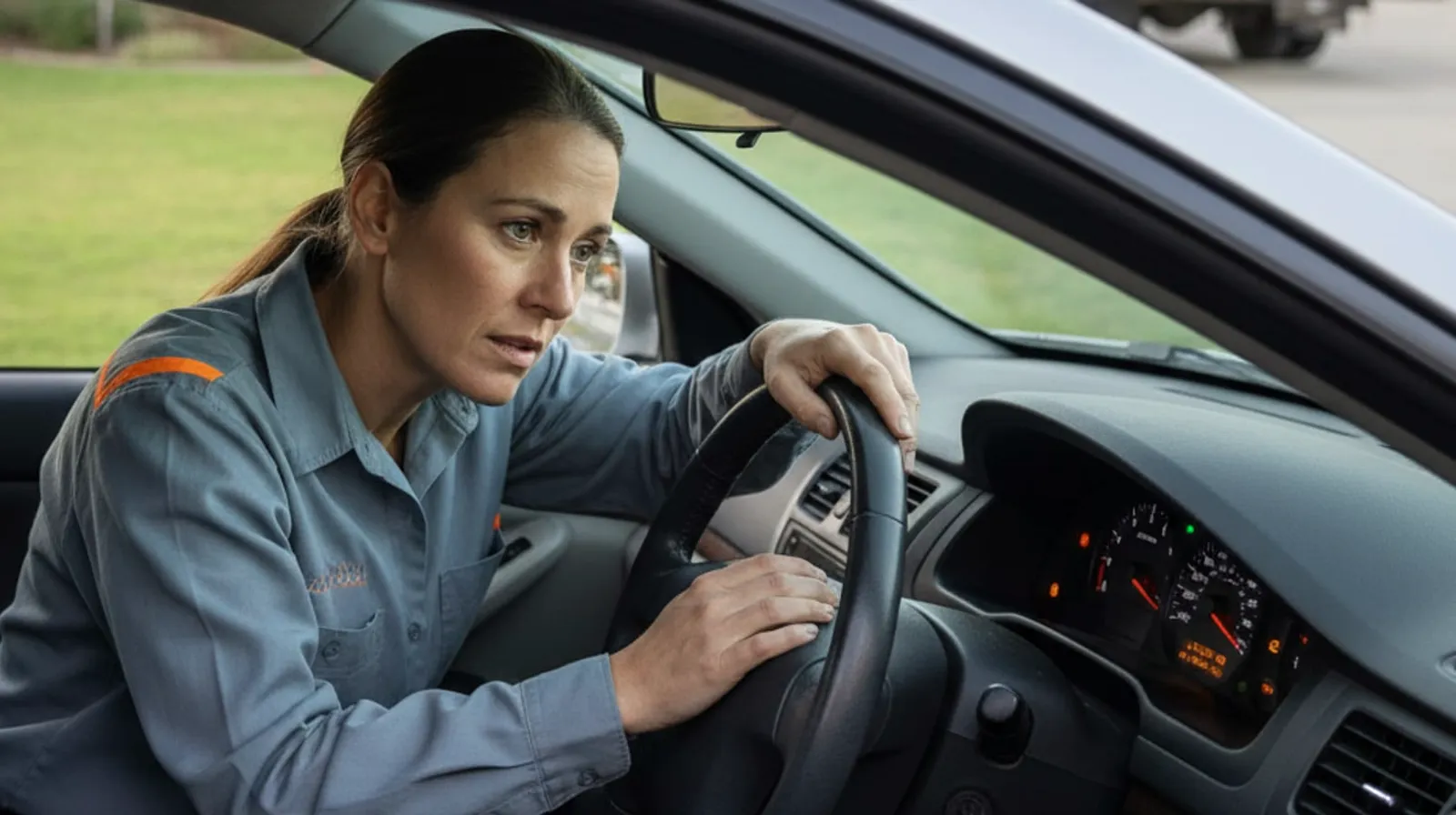
- Look at the dashboard. When you switch the key to ON, do any lights illuminate?
- Hold the brake firmly, then try starting again
- Rapid clicking indicates a low battery. Attempt a jump.
- One click or silence can mean starter or ignition trouble
- Make sure the key fob battery works (try your spare if one is available).
- Make sure the transmission is fully in Park, then reposition the shifter and retry.
After all five checks, if the car still will not start, call for a tow referral. The matched independent professional may diagnose it at the scene before towing, since the problem can sometimes be a 5-minute fix.
Rather have a pro handle it?
At any hour, callers are matched with licensed local operators for towing and roadside help across the Houston metro.
Keep learning.
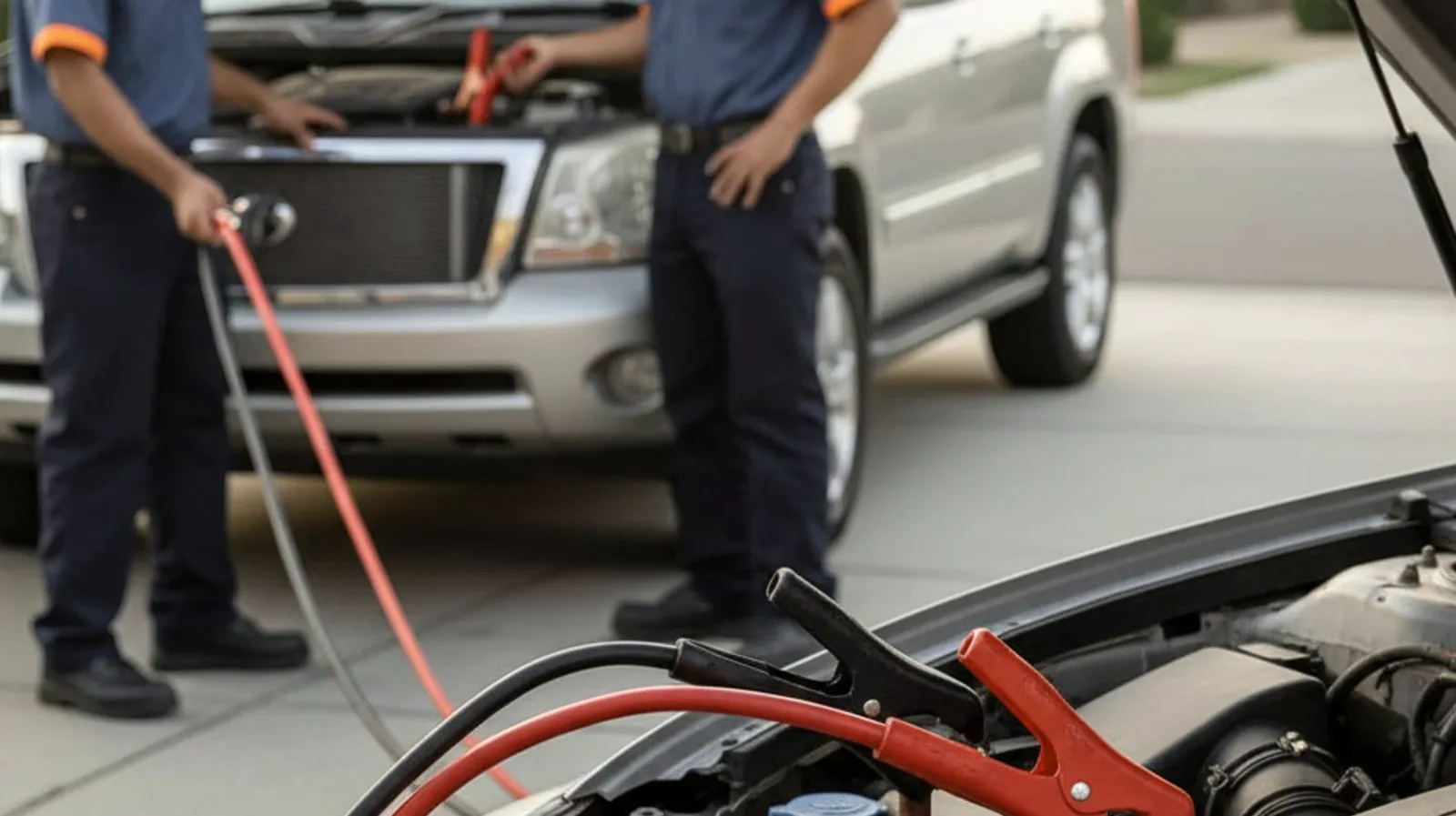
Jump-start a dead battery safely
Jumper cables seem easy until the connections are wrong. Connect them correctly to prevent sparks, damaged electronics, and an unnecessary tow.
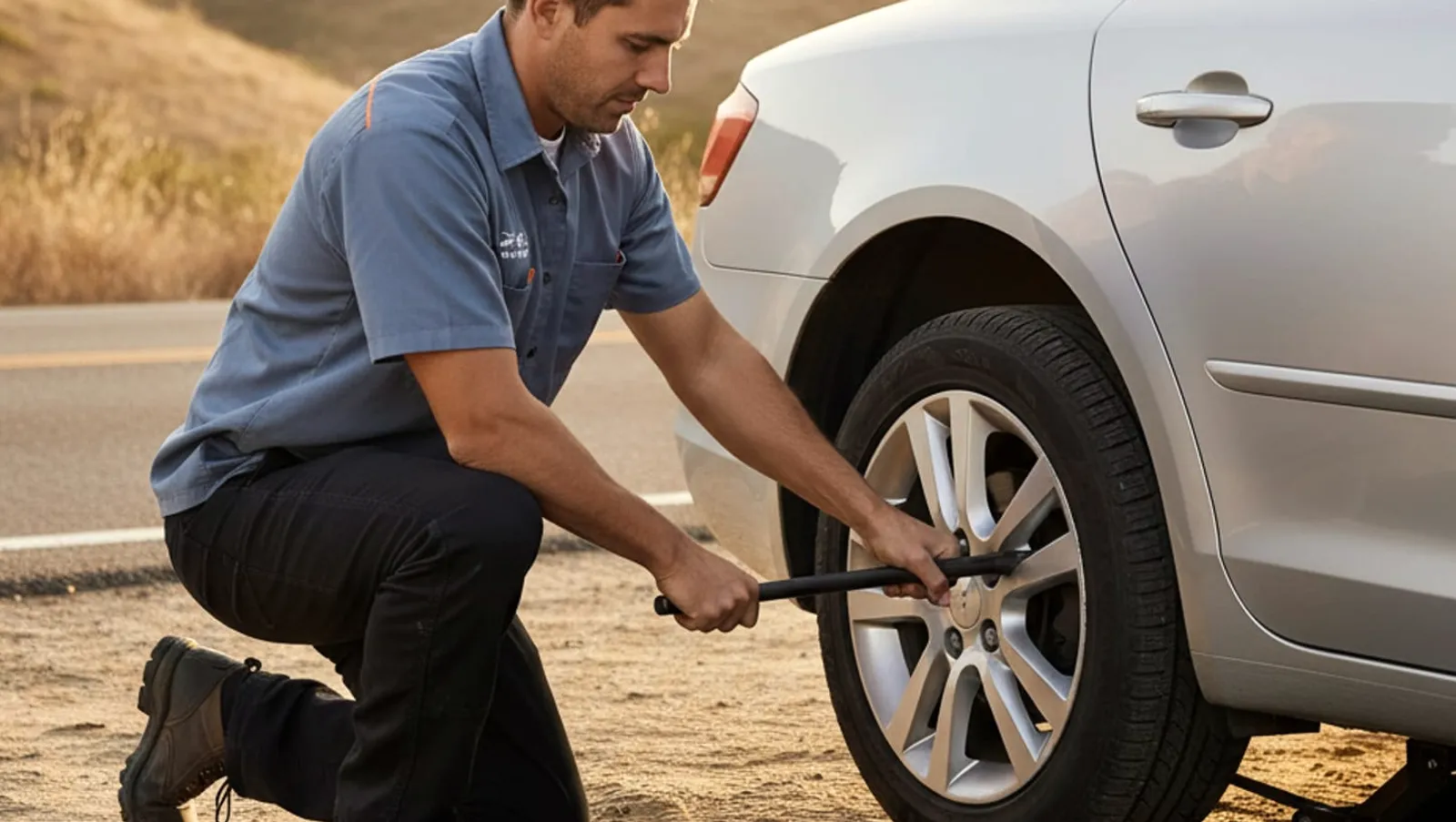
Change a flat tire on the side of the road
Knowing the spare and jack locations ahead of time can mean a 20-minute shoulder stop instead of spending an hour calling a tow company.
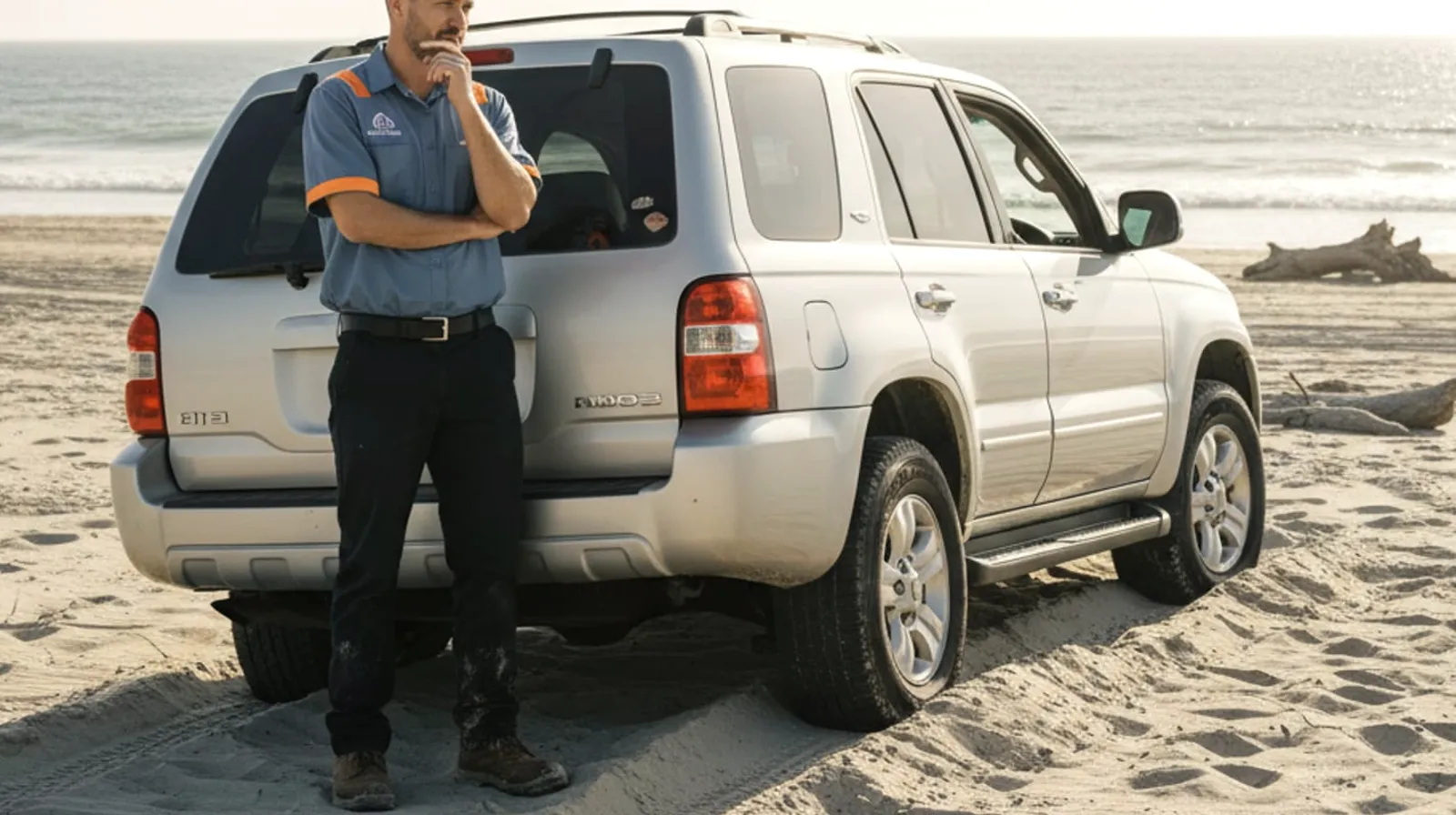
What to do when stuck in mud or high water
During heavy rain, low-lying streets, bayou crossings, and unpaved lots can quickly fill with mud and standing water. Start by not worsening the situation.