Jump-start a dead battery safely
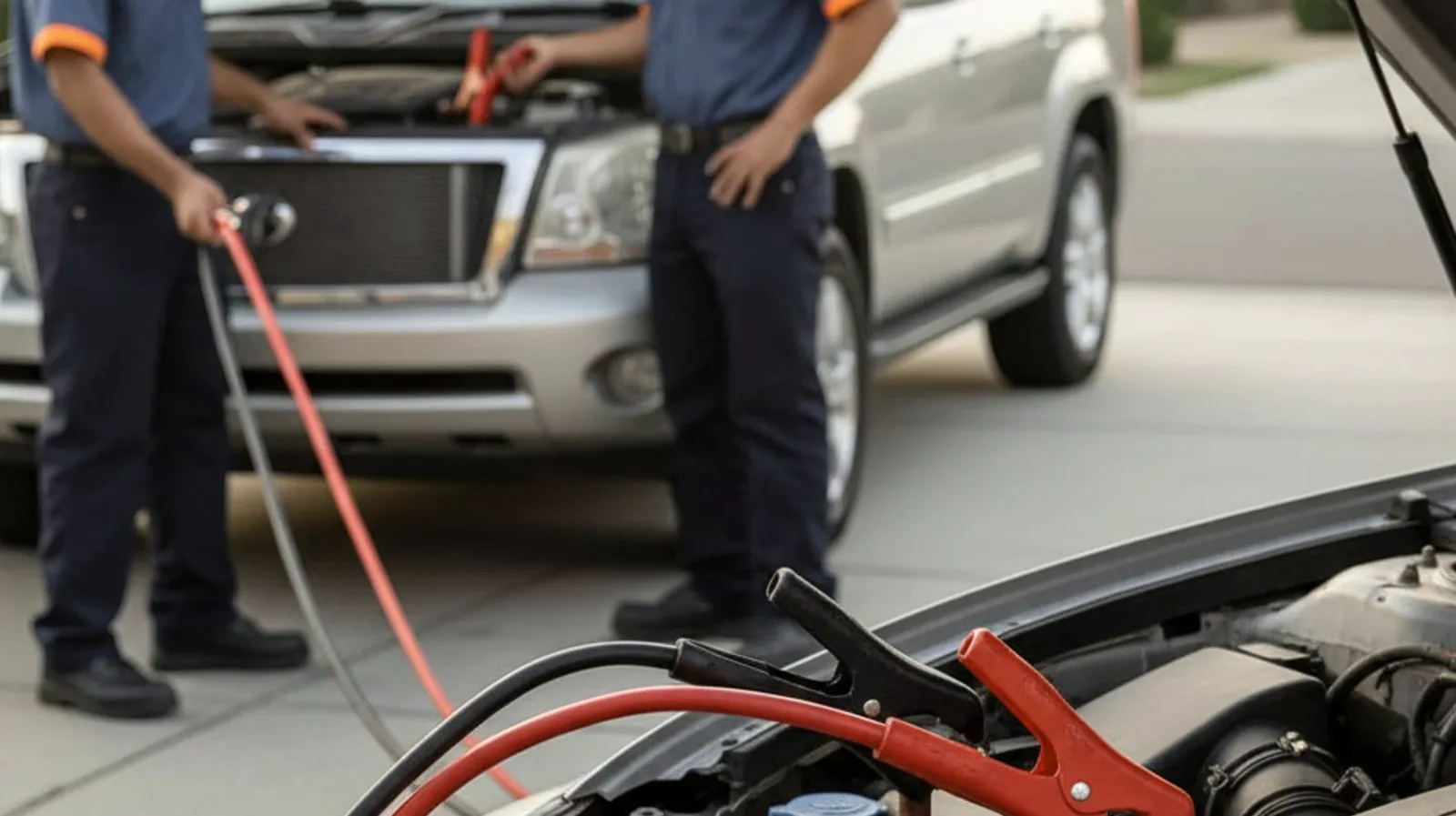
Jumper cables seem easy until the connections are wrong. Connect them correctly to prevent sparks, damaged electronics, and an unnecessary tow.
What you'll learn
- Why the clamps must be connected red first, then black
- Why the final clamp belongs on bare metal, not the battery
- When a jump-pack beats a cable-to-cable jump
- Bad alternator signs that mean a jump won’t work
Step by step
- Position the donor car near enough that the cables can reach. Turn both cars OFF.
- Clamp RED to POSITIVE (+) on the dead battery.
- Clamp RED to POSITIVE (+) on the donor battery.
- Clamp BLACK to NEGATIVE (−) on the donor battery.
- For the dead car, secure the BLACK clamp on bare metal at the engine block rather than attaching it to the battery.
- Turn on the donor car and wait 2 minutes. Start the disabled car, then let it run 10 minutes before driving.
Weak cranking or another failure within an hour points to a bad battery or alternator. Don’t try a second jump. Call to arrange a tow to a shop.
Rather have a pro handle it?
At any hour, callers are matched with licensed local operators for towing and roadside help across the Houston metro.
Keep learning.
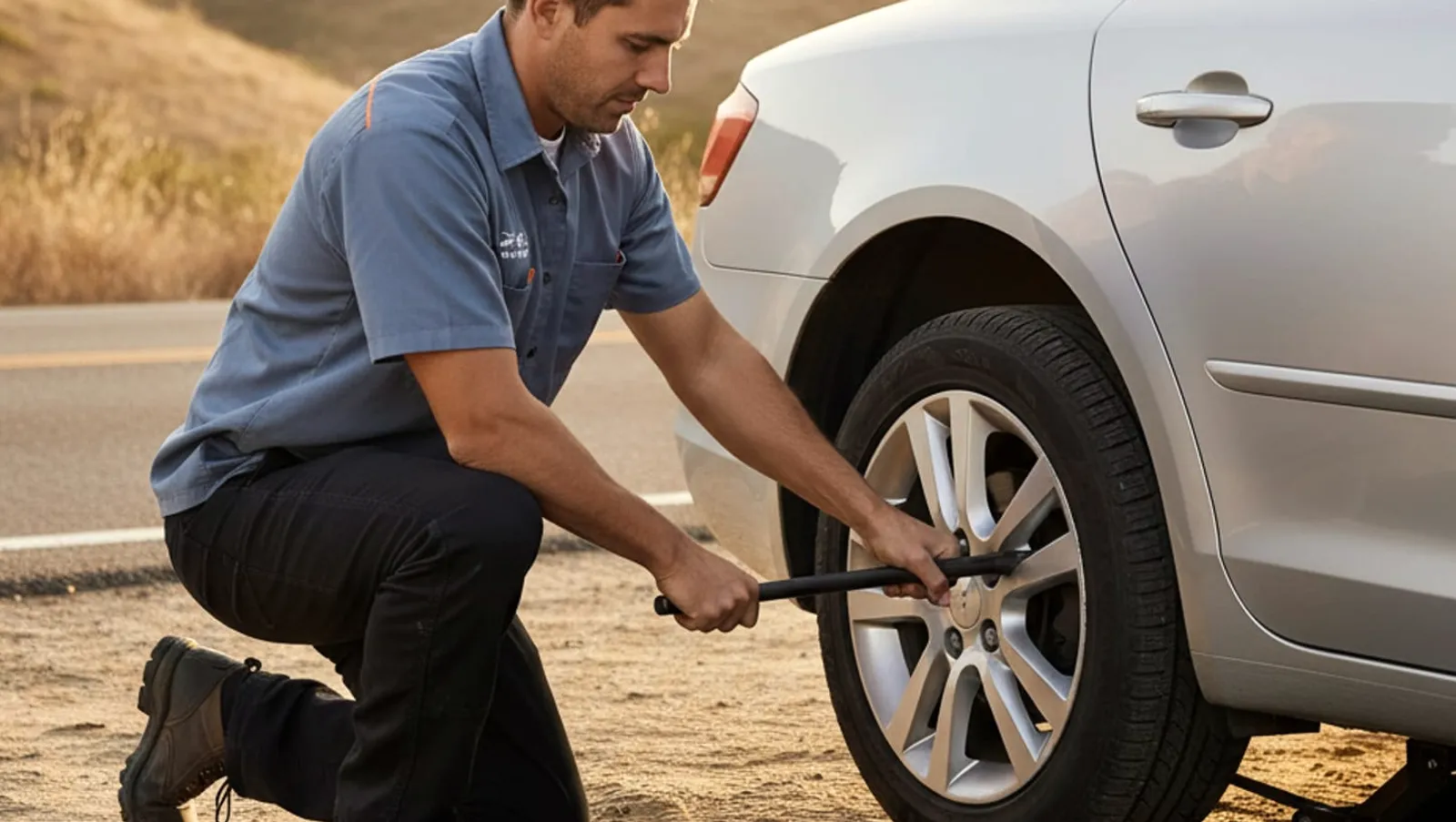
Change a flat tire on the side of the road
Knowing the spare and jack locations ahead of time can mean a 20-minute shoulder stop instead of spending an hour calling a tow company.
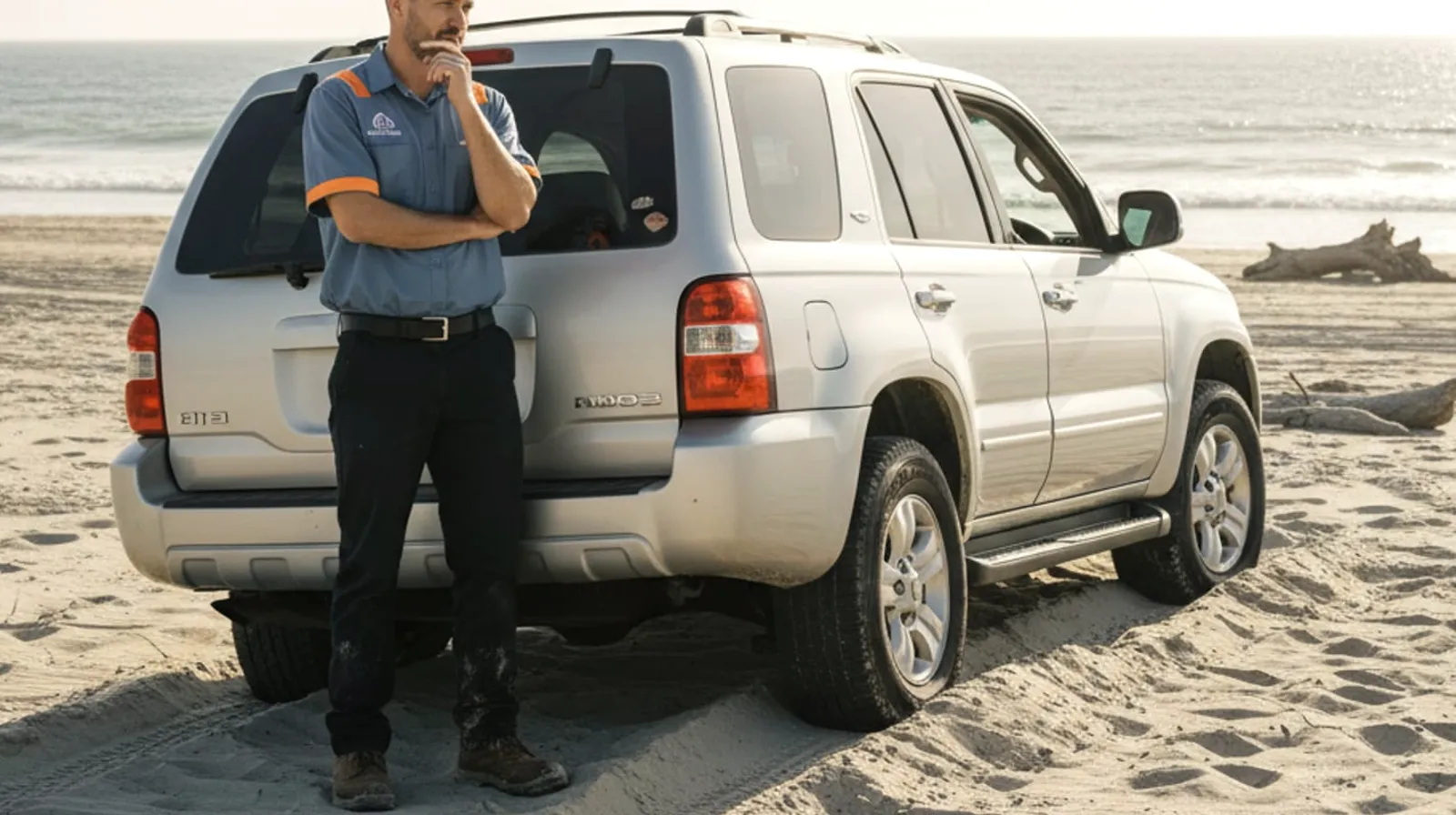
What to do when stuck in mud or high water
During heavy rain, low-lying streets, bayou crossings, and unpaved lots can quickly fill with mud and standing water. Start by not worsening the situation.
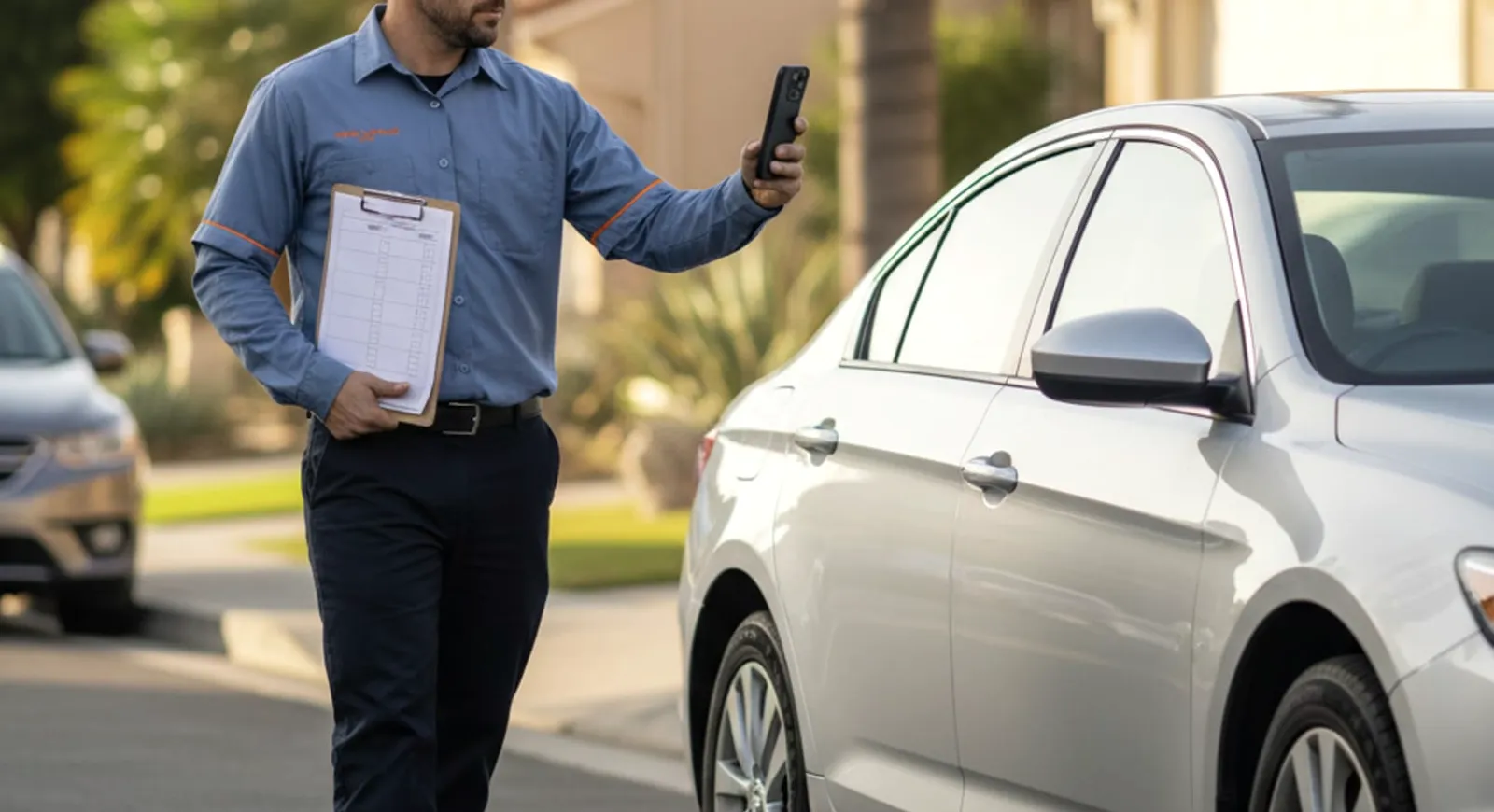
Prepare your vehicle for a tow
Preparing for a few minutes before the matched tow truck gets there reduces delays, helps prevent damage, and speeds up the call.