A car doesn’t need to sit across an entire driveway to disrupt access. The key issue is where the vehicle rests in relation to the entrance and whether vehicles can enter or leave.
Houston’s exact legal test for a blocked driveway couldn’t be confirmed from the approved local sources available for this guide. Don’t rely on a guessed distance or an informal neighborhood rule.
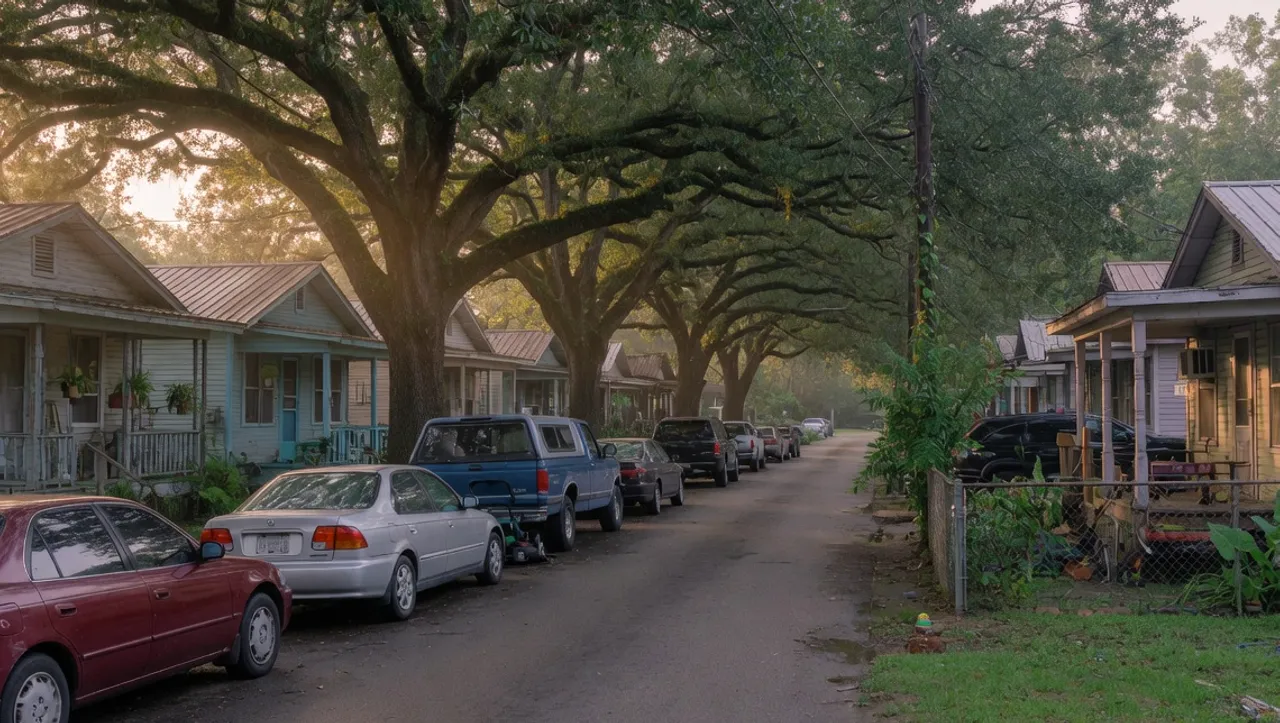
Start with the driveway entrance and vehicle position
Begin with the physical entrance, not the parked car’s distance from your house. Look at the full opening where the driveway meets the street. Include the sloped apron and the path a vehicle must follow to turn.
A car may create a clear access problem when it sits directly across that opening. A partial overlap can be harder to classify. The vehicle might cover one edge while leaving enough pavement for a small car. That doesn’t automatically settle whether the driveway is legally blocked.
Don’t create a measurement rule. The approved Houston sources reviewed for this article don’t establish a specific number of feet or inches that defines driveway obstruction. They also don’t confirm that a tire, bumper, or mirror crossing an imaginary line creates an automatic violation.
Instead, record what the position actually prevents. Can a vehicle leave without crossing a curb or lawn? Does entering require an unsafe turn? Is the opening narrow because of a ditch, culvert, gate, wall, or parked vehicle on the opposite side?
Those details matter across Houston. A bungalow driveway in the Heights may meet the street differently from a driveway in Gulfton. Pasadena properties may have different street and property conditions than homes inside Houston city limits. Properties near the East End can also face tight curb space and busy access points.
The practical answer is simple: a car appears to block a driveway when its position interferes with the normal entrance or exit. Whether that position meets the current legal standard must be confirmed with the authority controlling the location.
Separate curb parking from blocked access
A car parked near a driveway isn’t necessarily blocking it. The useful distinction is between occupying curb space and interfering with the driveway opening.
Start by viewing the vehicle from both sides of the entrance. A photo from only one angle can make a clear opening look obstructed. It can also hide a bumper extending into the path. Stand somewhere safe and photograph the curb, driveway edges, and entire vehicle together.
Don’t treat inconvenience as a confirmed violation. A wide turn, tight clearance, or lost curb space can be frustrating. Those conditions aren’t the same as a verified Houston towing violation. The current local rule must come from the responsible authority, not a neighbor’s estimate.
The same caution applies when someone parks across their own driveway. The approved claims ledger doesn’t confirm whether blocking your own driveway is allowed throughout Houston or Texas. It also doesn’t confirm a universal exception for residents, owners, tenants, or their guests. Check the current rule for that specific street before assuming ownership changes it.
A driveway permit is a separate matter. This guide can’t confirm Houston’s current permit requirements, application process, or approving office from the approved sources. If your concern involves a new driveway, widened curb cut, or altered entrance, contact the City of Houston through its official website. Ask which office currently handles driveway permits for that address.
Keeping these issues separate prevents a common mistake. A permitted driveway may still face an access dispute, while a nearby parked car may remain outside the actual opening.
Document the location without confronting the driver
Good documentation helps the proper authority understand the position. It also reduces the need for an argument beside the vehicle.
Take wide photos that show the driveway, curb, and parked car. Then take closer images of each driveway edge. Capture the license plate only as part of documenting the vehicle. Don’t post the plate, driver, or address on social media.
Record the date and time for your own notes. Describe the obstruction in plain language. For example, note that the vehicle overlaps the driveway’s west edge or prevents a parked vehicle from leaving. Avoid declaring that the car is illegally parked unless an authority has confirmed that conclusion.
If you need to leave immediately, explain that fact when contacting the appropriate office or property representative. Mention any access condition that changes the situation, such as a narrow gate or another vehicle opposite the entrance. Don’t move, push, hook, or damage the parked vehicle yourself.
A calm approach is safer, especially on crowded streets in Spring Branch, Aldine, or the East End. You don’t know whether the driver is nearby or why the car was left there. If speaking with the driver feels unsafe, don’t do it.
For a step-by-step response after finding an obstruction, read our guide to blocked driveway next steps in Houston. It focuses on what to do after you’ve documented the scene.
Tow Pro Houston doesn’t decide whether a vehicle violates a parking rule. We also don’t authorize removal from a public street. Our role is to dispatch and connect callers with licensed, insured towing operators when an authorized tow is appropriate.
Confirm who controls the street or property
The right contact depends on where the vehicle sits. First determine whether it’s on a street, inside a private lot, or on another privately controlled area.
A Houston mailing address doesn’t always answer the jurisdiction question. Houston city limits and unincorporated Harris County use different tow lookup systems. City of Houston tows appear through findmytowedcar.com. Harris County maintains a separate lookup for tows from unincorporated areas.
If the vehicle is on an apartment, retail, office, or managed community property, contact the property owner or authorized manager. Ask who controls the parking area and whether an established towing arrangement applies. A tenant, customer, or bystander shouldn’t assume they can authorize a non-consent removal.
Texas has specific requirements for private-property tow signs. Approved state sources say signs must be visible to entering drivers and placed at each driveway or curb cut. They must be permanently mounted, weather-resistant, and display required parking and contact information. The complete placement and content requirements come from Texas Occupations Code Section 2308.301.
Don’t assume every driveway obstruction falls under those sign rules. The facts may differ between a signed commercial lot, an apartment entrance, and a vehicle parked along a public street. Confirm which process applies before requesting removal.
Our private property towing referral service connects authorized property contacts with operators who handle this work. The operator must still review the location, authorization, and current requirements. Tow Pro Houston doesn’t patrol lots, enforce parking policies, or make the final legal determination.
Check the current rule before requesting removal
The approved sources for this article don’t define a Houston-wide driveway-blocking distance. They also don’t confirm that every partial overlap supports an immediate tow. That gap matters because towing without the owner’s consent is regulated.
Before requesting removal, ask the responsible city, county, or property authority to confirm three points: who may authorize the tow, whether the vehicle’s position qualifies, and what documentation is required. Use an official government source for the current answer.
For private-property towing information, review the Texas Department of Licensing and Regulation consumer page. Texas requires tow operators to hold a TDLR license. You can verify an operator through the TDLR license search.
If your vehicle has already disappeared, don’t assume it went to one Houston impound lot. Houston uses a network of licensed private Vehicle Storage Facilities. For a City of Houston tow, search by plate or VIN through findmytowedcar.com.
A driver whose vehicle was towed or booted without consent is entitled to a hearing on whether probable cause existed. Texas law requires a written request with the appropriate justice court before the 14th day after removal, excluding weekends and holidays. The filing clock starts only after the towing company or storage facility provides the information needed to file.
Rules and property conditions can change. Confirm the current requirement before directing an operator to remove a vehicle. A tow professional can explain equipment and access needs, but the operator shouldn’t replace the authority that decides whether removal is allowed.
When to call us
Call after the responsible authority or authorized property contact confirms that a licensed towing operator is needed. We’ll route your request, and the operator will set the price and provide an arrival estimate.
Call us at (346) 443-5499 and we’ll connect you with an operator who handles this work.